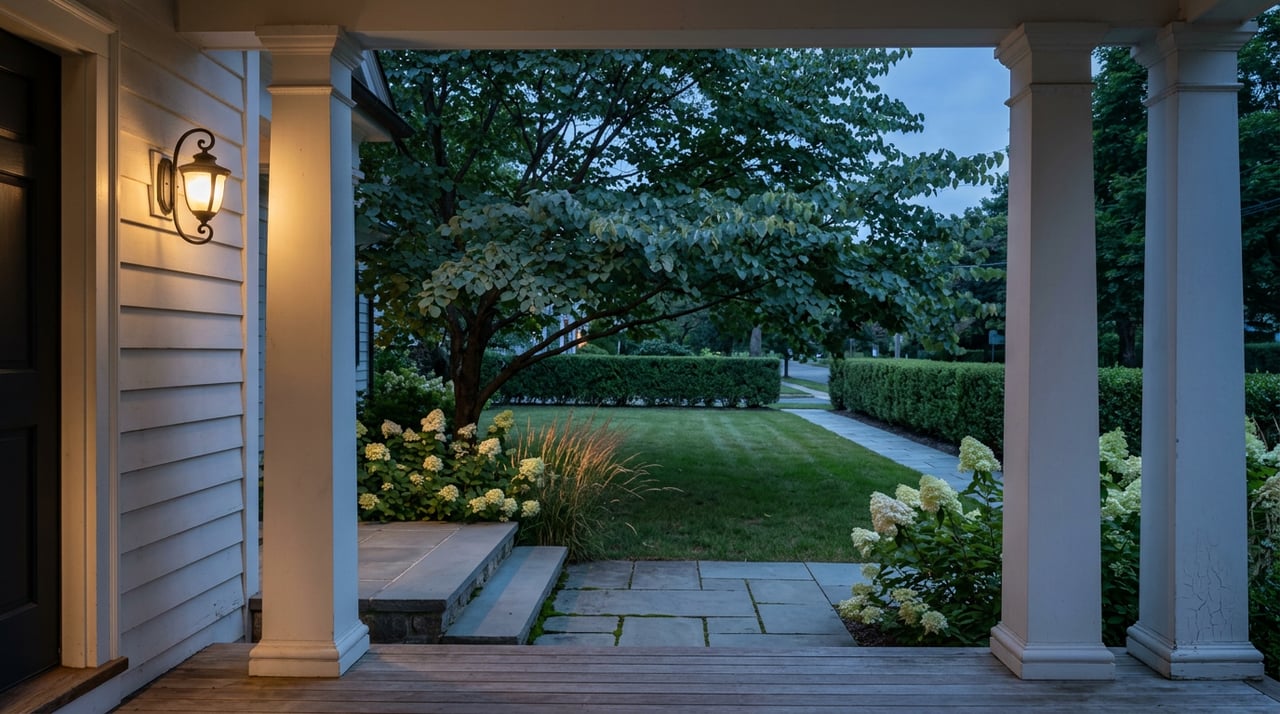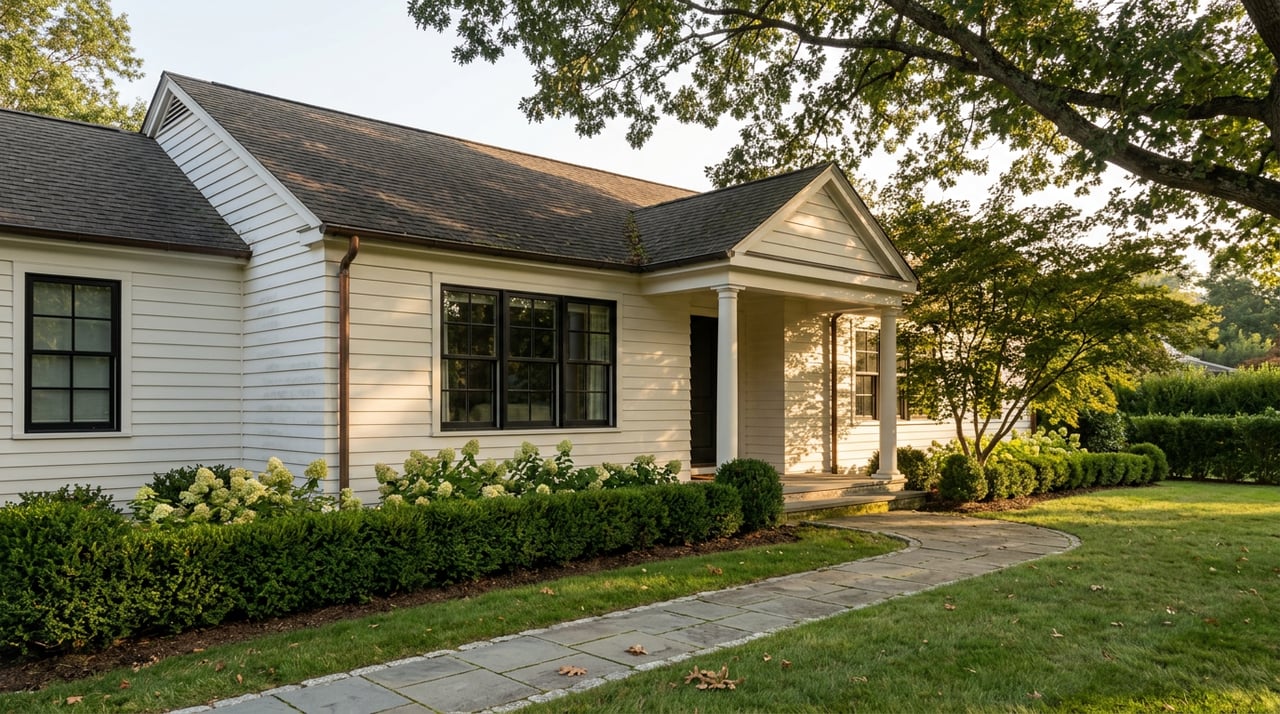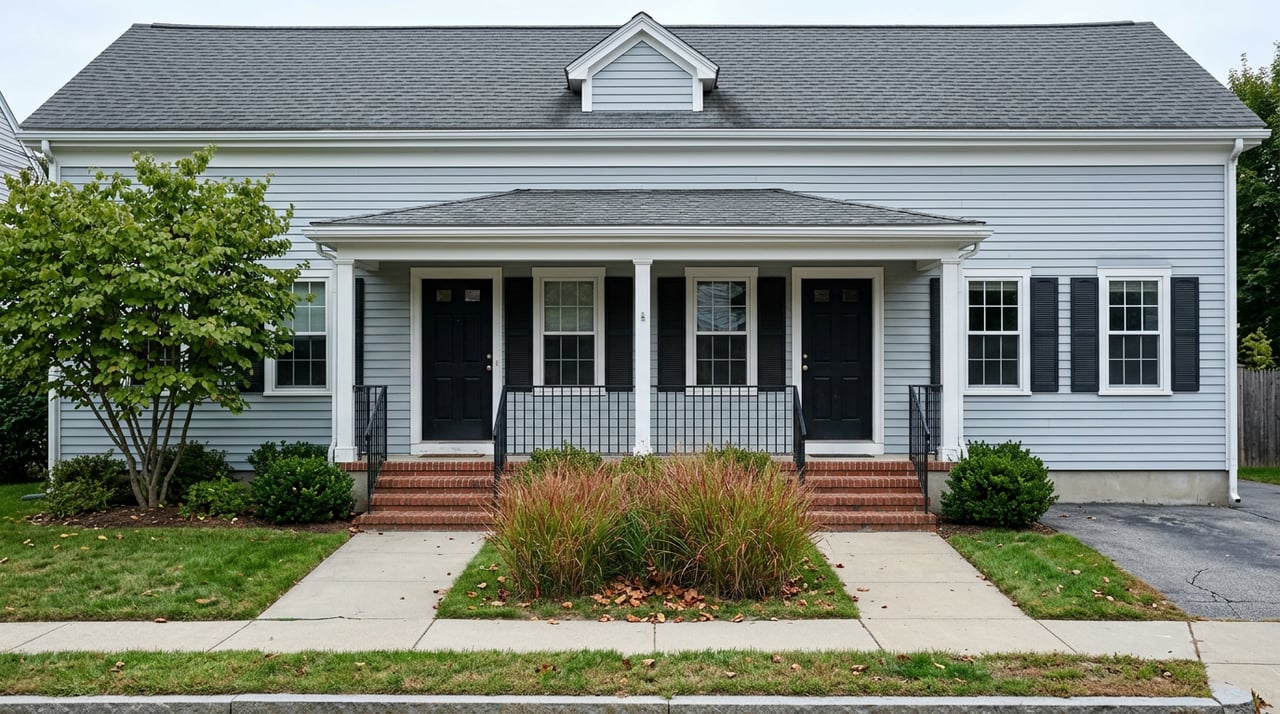
Two properties, same zip code, same summer. One is a two-bedroom, two-bath townhouse-style condo at 55 Byram Terrace Drive that closed in April 2026 for $1,285,000. The other is a fully renovated three-bedroom single-family a few blocks over, carrying a tenant at $5,500 a month. The condo is newer, better finished, and sits inside a well-kept 2008-built complex. The single-family is the plainer building. On paper, the condo should be the safer, more polished investment.
It isn't. The single-family is underwriting at a 6.5% cap rate. The condo, according to investment-analytics platform Mashvisor's read on comparable Byram units, is producing something closer to 0.7%, and in a few cases in the same zip code, negative. That gap is not a rounding error. It is the entire thesis of buying in Byram right now: the property that looks like the easier, cheaper way into an investment is frequently the one doing the least work for your money, and a federal financing overhaul that just took effect makes the difference harder to ignore.
What the Common Charge Is Actually Buying
The math is not mysterious once you sit with the numbers. At 55 Byram Terrace Drive, one unit carries a common charge of roughly $650 a month and an annual tax bill near $9,100. A second unit in the same building, differently assessed, runs closer to $14,760 a year in taxes with a $600 monthly common charge. Add a mortgage on top of that and the fixed monthly cost before a single dollar of rent hits the account is already substantial, and it belongs to the building, not to the unit's income potential.
Compare that to a small multi-family. A recently sold Byram two-family, renovated and placed with tenants at $5,800 a month, closed at a 6.3% cap rate with no HOA line item at all. Another Byram listing, a mixed-use building with ground-floor retail and two residential units on Henry Street, was marketed with a potential 7.55% cap return. Neither property answers to a condo association. Every dollar of rent goes toward the owner's return, not toward a shared reserve fund, a management contract, or a master insurance premium split six ways.
Byram's multi-family inventory in June 2026 ranged from $799,000 to $1,650,000, spending an average of 36 days on market. That is a wider price band than the condo stock, and it includes some properties priced close to or below comparable condos. The premise that a condo is the "affordable" way into a Byram investment does not hold up once you run the numbers past the sticker price.
| Small condo (Byram Terrace Drive, built 2008) | Small multi-family (2 to 4 units, Byram) | |
|---|---|---|
| 2026 price range observed | $759,000 to $1,285,000 | $799,000 to $1,650,000 |
| Recurring cost beyond mortgage | $600 to $704/month common charge, plus tax | Property tax only, no association fee |
| Reported cap rate | As low as 0.7%, occasionally negative | 6.3% to 7.55% on tenanted units |
| Subject to condo association review | Yes | No |
What Changed on August 3
On March 18, 2026, Fannie Mae and Freddie Mac issued coordinated updates to how condominium projects get reviewed for financing. The headline change took effect for loan applications dated on or after August 3, 2026: the "Limited Review" process, a lighter-touch review that had covered roughly 40% of condo transactions, is gone for most projects. In its place, nearly every condo purchase now requires a Full Review, meaning a lender has to examine the association's reserve study, master insurance policy, and financial records before a loan can close.
For a buyer or seller in a Byram condo building, that is not an abstract compliance update. It is the difference between a loan officer glancing at a questionnaire and a loan officer requesting documents the association may not have organized in years. A building that has never lost a sale over paperwork can lose one now, simply because nobody kept the reserve study current.
There is a second change riding alongside it that actually cuts in Byram's favor. The same guideline update expanded the small-project waiver to cover buildings with up to 10 units, a threshold that used to apply only to much smaller projects. Most of Byram's condo stock, including the two-to-four unit conversions scattered through the neighborhood, now qualifies for a streamlined path that larger complexes lose entirely. Fannie Mae and Freddie Mac also removed the 50% investor-concentration limit as of March 18, 2026, which had previously blocked conventional financing in buildings with a high share of rental units. For a Byram building where a few owners rent out their units, that removal opens the buyer pool rather than shrinking it.
The catch is that a waiver is not the same as an exemption. A small building still needs a reserve study on file and a master insurance policy that meets replacement-cost standards, with per-unit deductibles capped at $50,000, a requirement lenders are being pushed to implement by July 1, 2026. The paperwork burden did not disappear. It shifted from "nobody looked closely" to "the small-building path exists, but only if the documents are ready to hand over."
The Deadline Already on the Calendar
One more date belongs on a Byram buyer's or seller's calendar. For loan applications dated on or after January 4, 2027, condo associations must fund their reserves at 15% of the annual budget, up from the current 10% floor. Associations that have been coasting at the minimum will need to either raise dues or find another way to close the gap before that date arrives. For an owner in a Byram condo building weighing a sale, that means asking a blunt question now: is the reserve line already close to 15%, or is a dues increase coming that could complicate a sale next year.
None of this touches Greenwich's underlying property tax structure, which remains one of the lowest in the state at a 12.041 mill rate following the town's completed 2025 revaluation. That keeps carrying costs on the tax side relatively contained across Byram, whether the property is a condo or a multi-family. The financing friction sits entirely on the association side, which is exactly why it is easy to miss until a lender's underwriter starts asking for documents mid-contract.
Before You Offer or List, Ask For This
A buyer evaluating a Byram condo, or a seller preparing to list one, should have four documents in hand before the first showing or the first offer:
- The association's most recent reserve study, and the date it was completed
- The master insurance certificate, confirmed as replacement-cost coverage rather than actual cash value
- The current percentage of owner-occupied versus investor-owned units in the building
- Board minutes from the last year that mention reserve funding levels or planned assessments
None of these are exotic requests. They are the exact items a Full Review lender will ask for anyway. Getting ahead of the request means a 30-day escrow stays a 30-day escrow instead of stalling while someone tracks down a reserve study that was never commissioned.
Frequently Asked Questions
Does the August 3 change affect Byram's two-family and multi-family properties the same way it affects condos? No. A two-to-four unit property purchased as a single deed, rather than a condo-titled unit inside an association, is not subject to condo project review at all. That is part of why the multi-family side of Byram's market is largely insulated from this shift while the condo side is not.
My Byram condo building has fewer than 10 units. Does the small-project waiver mean I don't need to worry about this? The waiver simplifies the review process, but it does not waive the underlying documentation. A lender still needs a current reserve study and adequate insurance on file. If the association has never commissioned one, the waiver does not solve that problem for you.
Should this change what someone offers on a Byram condo? It should change the timeline more than the price. Requesting the association's reserve study and insurance documents before writing an offer, rather than after going under contract, avoids discovering a paperwork gap during a lender's Full Review, when there is far less room to negotiate a delay.
If you are weighing a Byram purchase against a small multi-family, or trying to figure out what a condo association's paperwork actually says about your next thirty days, The Rosato Team has spent years underwriting exactly this kind of decision for Fairfield County buyers and landlords. Reach out for a property-specific read on the numbers before you write the offer, not after.