If you are thinking about buying a rental property in Norwalk, it helps to know this is not a one-note market. Norwalk combines commuter access, coastal amenities, and a meaningful mix of small multifamily housing, which can create real opportunity for small investors. In this guide, you will get a practical look at what drives renter demand, where caution matters, and how to evaluate property types more clearly before you make a move. Let’s dive in.
Why Norwalk stands out for small investors
Norwalk offers a broader housing mix than many buyers expect. According to the city’s 2025-2029 Consolidated Plan, 46.6% of residential structures are 1-unit detached homes, 19.1% are 2-4 unit buildings, 13.5% are 5-19 unit buildings, and 14.6% are 20+ unit buildings. That matters because it gives you more than one path into the market.
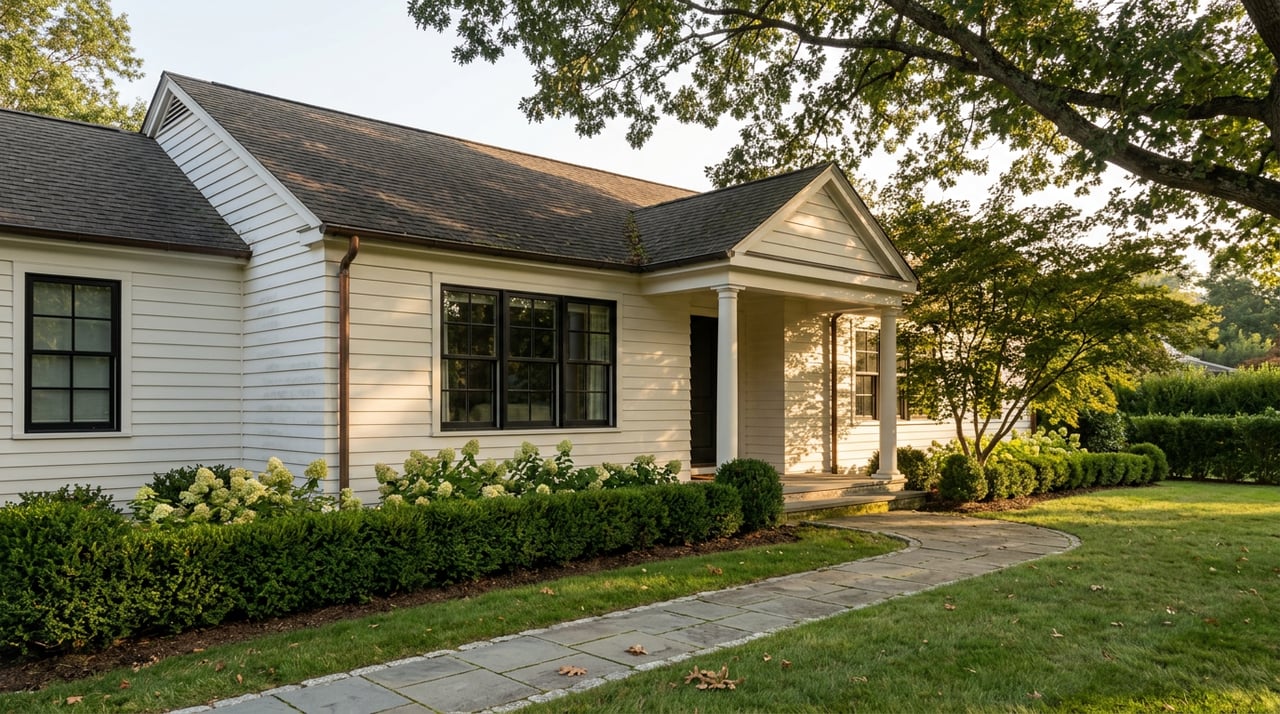
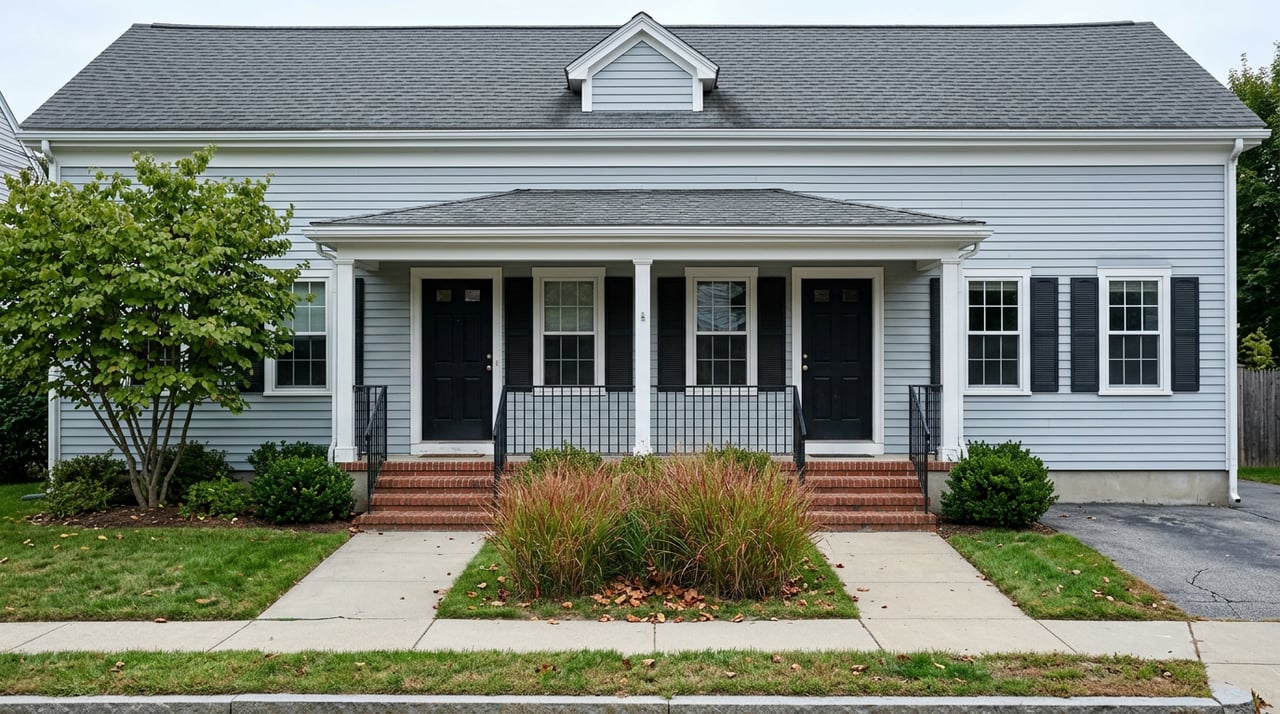
For a small investor, that mix can open the door to different strategies. You may be looking at a single-family rental, a condo or townhome, or a 2-4 unit property that lets you spread risk across multiple leases. In Norwalk, all of those formats exist in a meaningful way.
The city also has an established renter base. The Consolidated Plan counts 15,927 renter-occupied units and 19,345 owner-occupied units. So while Norwalk is not overwhelmingly renter-majority, it clearly supports long-term rental demand.
Rental demand in Norwalk
A big part of Norwalk’s appeal is its connection to both daily convenience and lifestyle value. Renters are not just choosing a unit. They are often choosing access to rail, local bus service, dining, waterfront amenities, and a more flexible urban-suburban routine.
South Norwalk station is one of the busiest stations on Metro-North’s New Haven Line, with more than 2,200 inbound boardings per day in the city study. Norwalk also has four commuter rail stations listed by the city: East Norwalk, Merritt 7/Glover Avenue, Rowayton, and South Norwalk. For renters who commute or want regional access, that network is a major strength.
The city’s commute data supports that demand story. Norwalk reports that 62.8% of commuters travel less than 30 minutes each way, while 27.3% travel 30 to 59 minutes. That kind of commute profile helps explain why transit-connected rentals can stay attractive, especially when they also offer walkability or parking.
Why amenities matter to renters
Norwalk’s appeal is not based on transit alone. South Norwalk, or SoNo, is described by Visit Norwalk as a vibrant dining, retail, and entertainment destination with a growing business and residential community. For investors, that points to the kind of neighborhood energy that can support leasing momentum.
Waterfront amenities add another layer. The city says Calf Pasture and Shady Beach offer three-quarters of a mile of scenic coastline, along with seasonal recreation and events. Oyster Shell Park and Norwalk Harbor also contribute to the city’s coastal identity and day-to-day lifestyle appeal.
That does not mean every property near the water will perform the same way. It does mean renters may place a premium on convenience, scenery, and access to local amenities. In practical terms, location value in Norwalk often goes beyond square footage alone.
What unit types are most relevant
If you are a small investor, Norwalk’s rental mix points to a few especially relevant property types. Based on the city’s housing stock and renter profile, well-located single-family rentals, attached units like condos and townhomes, and 2-4 unit buildings are often the clearest starting points.
Small multifamily is especially important here. The city says small multifamily developments, defined as 3-19 units, are primarily concentrated in central Norwalk. That concentration can give investors more options in areas where renter demand already aligns with the local housing pattern.
Unit size matters too. Norwalk reports that 42.5% of rental units are one-bedroom or smaller, and renter households are heavily concentrated in one-bedroom and two-bedroom formats. That suggests smaller, efficient layouts may have the broadest renter pool.
How to think about rent data
One of the easiest mistakes investors make is treating one rent number as the whole story. In Norwalk, that approach can lead to poor underwriting because the available data comes from different sources and property types.
RentCafe reports an average advertised apartment rent of $2,881 in April 2026, up 6.87% year over year, but that figure is based on apartment buildings with 50 or more units. The city’s plan reports a median contract rent of $1,699 in 2022, while the ACS-based median rent was $2,010 in 2023. These figures are not directly comparable.
The better takeaway is that Norwalk supports rents above older census-era measures, but your comps need to match your actual asset type. A newer large apartment building, a small multifamily property, and a condo rental may each sit in a different pricing lane. That is why block-level and unit-type analysis matters so much here.
Vacancy is not the same everywhere
Vacancy is another number that needs context. Norwalk’s city plan records 2,796 vacant units, but the city’s maps show that vacancy is uneven across different tracts. Some northwestern tracts exceed 20% vacant, while southern and eastern tracts are generally 10% or less.
For you as a small investor, that means citywide averages can hide real submarket differences. Two properties with similar bedroom counts may perform very differently based on location, condition, and convenience. You should evaluate leasing risk at the neighborhood and block level, not just the city level.
Affordability also shapes turnover risk. The city says about 13,968 households are cost burdened, and 43.1% of renters pay $2,000 or more per month. That can make pricing discipline especially important if you want to reduce vacancy and keep tenants longer.
Older housing stock needs closer review
Norwalk has a large supply of older homes and rental units. The city reports that 61.7% of renter-occupied units and 79.0% of owner-occupied units were built before 1980. That does not make older properties a bad investment, but it does mean your due diligence should be more detailed.
Before you buy, it is smart to budget for more than cosmetic updates. Older rentals may need reserves for inspections, mechanical systems, deferred maintenance, and general turnover work. The city also flags lead-based paint risk in older homes, so lead-safe compliance planning may be part of your operating picture depending on the property.
In many cases, a well-located older property can still be a strong long-term hold. The key is buying with a realistic repair and compliance budget, not assuming every improvement will be optional.
Local rules small landlords should know
In Norwalk, operations matter just as much as acquisition. The city says apartments in buildings with three or more housing units require a certificate of occupancy after a vacancy. It also states that tenement houses must register annually with the Health Department, and rooming houses require a permit.
The city’s housing code enforcement program includes inspections done systematically or through complaints and referrals. For small investors, that means it is important to understand the local process before you close, not after a vacancy or tenant issue appears.
Norwalk also has a Fair Rent Commission. Its guidelines say the commission can review comparable rents, sanitary conditions, fixtures, services and equipment, bedroom count, needed repairs, taxes and overhead, utility availability, and the size and frequency of rent increases when evaluating whether rental charges are excessive.
Connecticut security deposit rules
Connecticut security-deposit law is a core operating issue for landlords. Under state law, landlords generally may not require more than two months’ rent as a security deposit. For tenants age 62 or older, the limit is one month’s rent.
The Connecticut Department of Banking says the 2026 security-deposit interest rate is 0.49%. State law also requires landlords to return the deposit with interest or provide a written damages notice within 21 days after the tenancy ends. If a landlord fails to comply, the penalty can be twice the security deposit.
There is one more rule that often gets overlooked. Landlords must provide written notice of the financial institution holding the deposit within 30 days of receiving it. For a small investor, these are not minor details. They are part of basic risk management.
A practical Norwalk investment approach
For many small investors, the best Norwalk opportunities are likely to be properties that combine solid location, manageable upkeep, and renter-friendly layouts. That may mean a 2-4 unit building in central Norwalk, an attached unit with strong commuter convenience, or a single-family home that appeals to renters who want more space.
When you evaluate a property, focus on the factors that seem to matter most in this market:
- Access to commuter rail or bus connections
- Proximity to SoNo, waterfront areas, or everyday amenities
- One-bedroom or two-bedroom layout efficiency
- Parking, if available
- Realistic renovation and maintenance needs
- Local code and certificate requirements
- Rent comps that truly match the asset type
That kind of framework can help you avoid overpaying for a story that looks good on paper but does not hold up in day-to-day operations.
Final thoughts on investing in Norwalk
Norwalk offers something many small investors want but do not always find in one place: a real renter base, multiple property types, strong transit connections, and a lifestyle story that goes beyond the unit itself. At the same time, it is a market where older housing stock, uneven vacancy, and local compliance rules can quickly affect performance.
If you are considering a rental property in Norwalk, the most useful next step is a property-specific review. The right buy depends on the exact block, building type, condition, and rent strategy, not just a citywide headline. If you want help evaluating opportunities in Norwalk or across Fairfield County, connect with The Rosato Team for local guidance tailored to your investment goals.
FAQs
What types of rental properties are common in Norwalk, CT?
- Norwalk has a mixed housing stock that includes detached single-family homes, attached homes, 2-4 unit buildings, and larger multifamily properties. For small investors, single-family rentals, condos or townhomes, and 2-4 unit properties are often the most relevant categories.
How strong is renter demand in Norwalk, CT?
- Norwalk has 15,927 renter-occupied units, along with transit access, local amenities, and coastal features that support renter demand. The city’s rail network and established renter base make it more than a purely owner-occupied market.
What rent number should investors use for Norwalk, CT?
- You should not rely on one citywide number alone. Advertised apartment rents, ACS median rents, and contract-rent figures come from different datasets, so the best approach is to use submarket and asset-specific comps that match your property type.
What local rules matter for Norwalk, CT landlords?
- Norwalk requires certificates of occupancy after vacancy for apartments in buildings with three or more housing units, and some housing types have separate registration or permit requirements. The city also has housing inspections and a Fair Rent Commission, so local compliance should be part of your planning.
What should small investors watch for in older Norwalk, CT properties?
- Because much of Norwalk’s housing stock was built before 1980, you should review maintenance needs, mechanical systems, and possible lead-safe compliance planning where applicable. Older properties can still work well, but they usually require more careful due diligence and reserve planning.